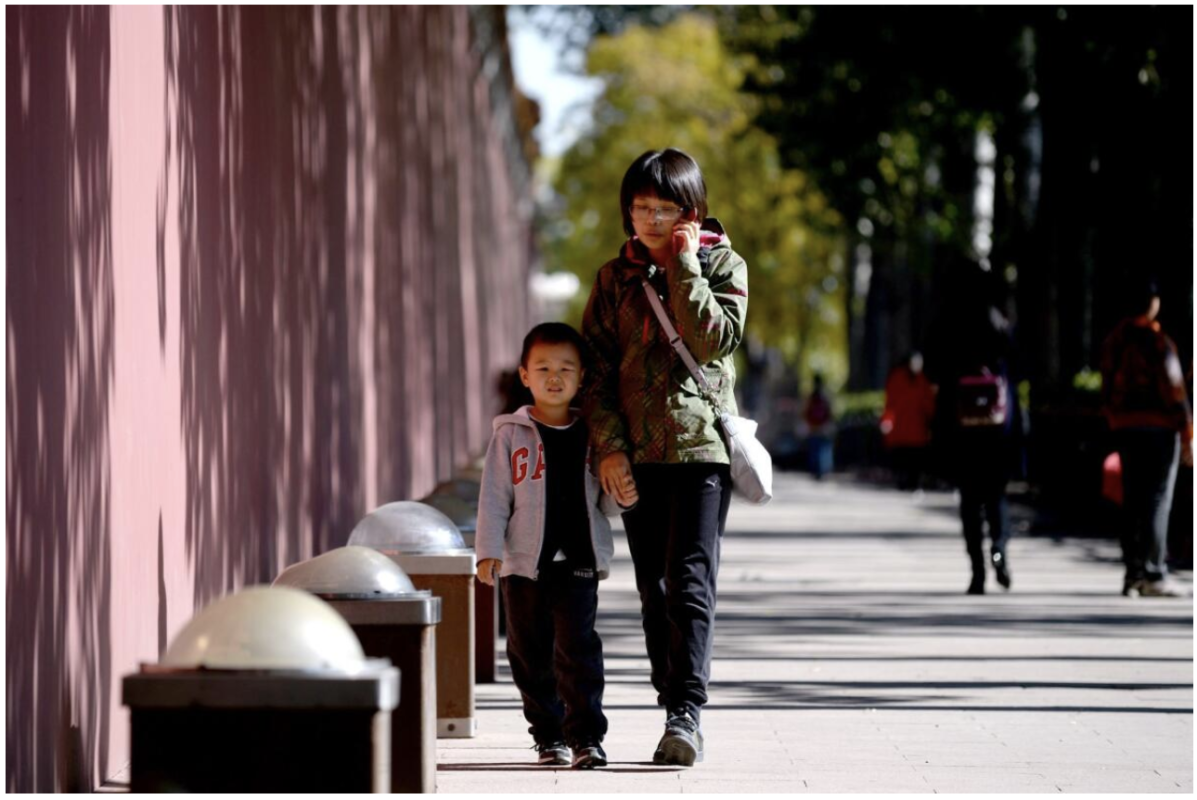
1. Introduction: Exit Bans as a Powerful Child-Protection Measure
In Vietnam, an exit ban on a child is one of the most serious interim measures available in family law disputes involving foreign elements. Exit bans are frequently applied in custody, relocation, and international divorce cases to prevent unilateral removal of a child from Vietnamese jurisdiction.
For foreign parents, exit bans often arise suddenly—at airports, immigration checkpoints, or during pending court proceedings—creating immediate legal and practical consequences.
2. Legal Basis for Exit Bans on Children
Vietnamese courts and competent authorities may impose exit bans pursuant to:
- The Law on Marriage and Family;
- The Civil Procedure Code;
- Regulations on exit and entry of Vietnamese citizens and foreigners;
- Interim emergency measures issued by courts.
Exit bans are grounded in the principle of protecting the best interests of the child and preserving jurisdiction during dispute resolution.
3. Common Situations Triggering Exit Bans
Exit bans are commonly imposed where:
- A custody or parental rights dispute is pending;
- One parent alleges risk of child abduction or permanent relocation;
- Divorce proceedings involving a foreign parent are ongoing;
- A relocation request has not yet been adjudicated;
- There is evidence of prior travel attempts without consent.
Courts treat exit bans as preventive rather than punitive, but their effects are immediate and restrictive.
4. Who Can Request an Exit Ban?
The following parties may request an exit ban on a child:
- The child’s legal guardian or parent;
- A party to ongoing divorce or custody proceedings;
- In limited circumstances, competent authorities acting to protect minors.
Requests are typically submitted as applications for interim emergency measures within active court proceedings.
5. Court Standards for Granting an Exit Ban
Vietnamese courts evaluate exit ban requests based on:
- Credible risk of unilateral removal;
- Existence of cross-border elements;
- Past conduct suggesting non-cooperation;
- Immediacy and irreversibility of potential harm.
Courts do not require proof of actual abduction—reasonable risk is sufficient.
6. Duration and Scope of Exit Bans
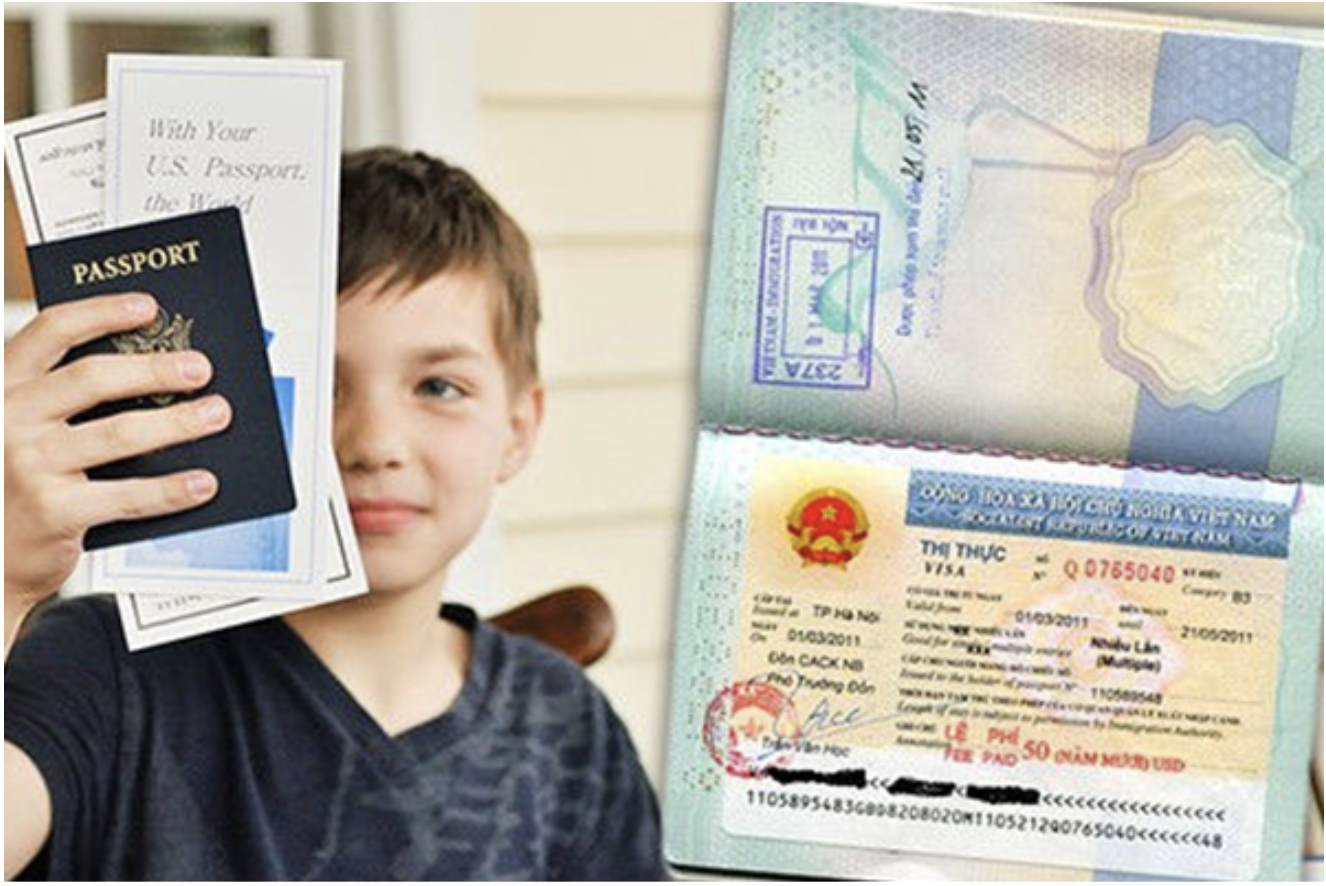
Exit bans on children:
- Typically remain in effect until a final judgment or court decision;
- May be extended or modified during proceedings;
- Apply regardless of nationality of the child;
- Bind immigration authorities nationwide.
Exit bans are often underestimated in duration and overestimated in ease of removal.
7. Legal Consequences of Violating an Exit Ban
Attempting to remove a child from Vietnam in violation of an exit ban may result in:
- Immediate loss or restriction of custody rights;
- Adverse judicial findings regarding parental fitness;
- Potential civil or administrative liability;
- Severe prejudice in subsequent relocation or custody requests.
Vietnamese courts treat violations as serious misconduct.
8. How to Lawfully Lift or Modify an Exit Ban
Exit bans may be lifted or modified only through lawful procedures, including:
- Court application demonstrating changed circumstances;
- Resolution of the underlying custody or relocation dispute;
- Mutual written consent of both parents, where applicable;
- Court-approved relocation or travel authorization.
Unilateral negotiations with immigration authorities are ineffective.
9. Strategic Considerations for Foreign Parents
Foreign parents should:
- Assess exit-ban risk before initiating travel or relocation discussions;
- Avoid actions that may be construed as concealment or flight risk;
- Seek early legal intervention upon notice of a pending ban;
- Coordinate custody, relocation, and immigration strategy.
Exit-ban risk management is often decisive in international family law cases.
10. DHH Law Firm’s Approach to Exit Ban Cases
DHH Law Firm provides strategic representation in exit ban matters, including:
- Emergency legal response and court filings;
- Risk assessment and preventive measures;
- Applications to lift or limit exit bans;
- Integration of custody and relocation strategy.
DHH Law Firm’s position: Exit bans are not procedural obstacles—they are substantive legal instruments that require precise handling.
📞 Contact DHH Law Firm Today
🏢 Main Office: 2nd Floor, 829 Huynh Tan Phat Street, Phu Thuan Ward, Ho Chi Minh City, Vietnam
📞 Hotline:
- +84 89 9352 777 (Vietnamese)
- +84 89 9351 777 (English)
🌐 Website: www.dhhlawfirm.vn
📧 Email: contact@dhhlawfirm.vn
✨ DHH Law Firm – Your truste